

Best Aromatic Teas for Daily Drinking: 10 Picks
Table of Contents
- Why Aromatic Teas Belong in Your Daily Routine
- How to Choose the Best Tea for Daily Drinking
- 1. Jasmine: The Floral Green Tea That Keeps Giving
- 3. Masala Chai: Bold Spice for Demanding Days
- 4. Hojicha: Toasted, Smooth, and Easy on the Stomach
- 5. Moroccan Mint: Refreshing Hot or Over Ice
- 6. English Breakfast: The Reliable Morning Standby
- How to Brew Loose Leaf Tea Without Losing the Aroma
- Picking Your Daily Rotation
- Frequently Asked Questions
Last Updated: October 12, 2026
Why Aromatic Teas Belong in Your Daily Routine
The best aromatic teas for daily drinking are the ones you look forward to brewing.
At Johnny D's Brew, we ship coffee and tea to people who care about freshness, and scent is the fastest route to a habit that sticks.
Below, we cover aromatic teas by scent profile, caffeine level, and time of day, so you can rotate two or three instead of forcing down one you dislike.
How to Choose the Best Tea for Daily Drinking
The best tea for daily drinking fits your caffeine needs, taste preferences, and brewing routine without friction. Start with the filters below.
Aroma First: What Your Nose Knows Before Your First Sip
Aromatic teas are defined by volatile oils that release scent when the leaf meets hot water. These compounds fade with age, heat, light, and air, which is why a jasmine tea that smells like a spring flower garden can smell like wet paper six months later.

Aroma and flavor are not separate qualities. Most of what you call "taste" is retronasal smell, so a tea that smells flat will taste flat no matter how carefully you steep it.
Caffeine Levels and Practical Daily Limits
Caffeine content varies widely by tea type, and it matters if you drink three or four cups a day:
| Tea Type | Approx. Caffeine | Best Time | Daily Cups |
|---|---|---|---|
| Black (Earl Grey, English Breakfast) | Moderate to high | Morning | 2-3 |
| Green (Jasmine, Moroccan Mint) | Moderate | Mid-morning, early afternoon | 2-4 |
| Roasted green (Hojicha) | Low | Afternoon, evening | 2-4 |
| Herbal (Rooibos, Hibiscus, fruit blends) | None | Any time | Unlimited |
Most adults handle 3 to 4 cups of caffeinated tea daily. If you are sensitive, keep black tea to the morning and switch to hojicha or an herbal blend after lunch.
1. Jasmine: The Floral Green Tea That Keeps Giving
Jasmine is the tea we recommend first to anyone building a daily ritual. Our Jasmine pairs freshly plucked jasmine blossoms with hand-picked green tea for a medium-bodied, sweet, silky cup.
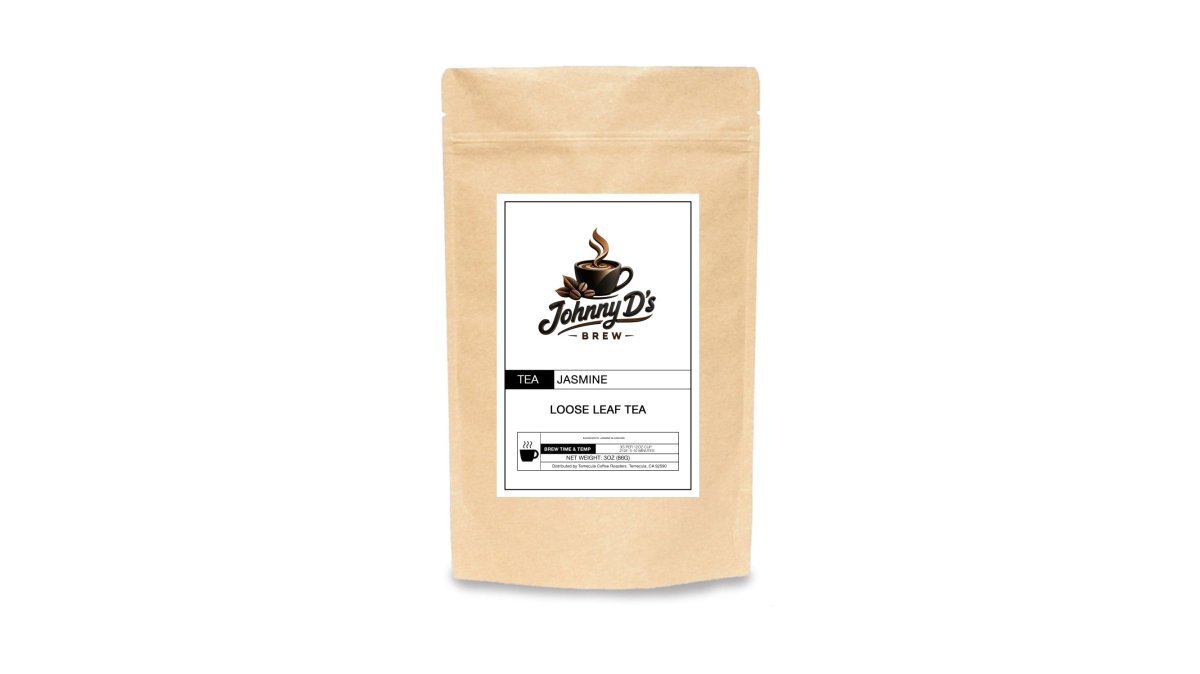
The aroma is unmistakable: floral, slightly fruity, and clean.
(/products/earl-grey) is the most recognizable aromatic tea in the world, and ours is built on Ceylon OP black tea with bergamot essential oil and blue cornflowers.This is a morning tea. The bergamot aroma is bright and citrusy, which is why it wakes people faster than caffeine alone would suggest.
What most reviews skip: Earl Grey is one of the few teas that tastes genuinely different with milk.
3. Masala Chai: Bold Spice for Demanding Days
Masala Chai is the pick for anyone who wants tea with weight behind it. Our Masala Chai is full-bodied, aromatic, and intense, with the bold spice character of a traditional Indian blend.

The aroma is warm rather than floral: cinnamon, clove, cardamom, and pepper. On a long shift or cold morning, that spice profile does more than a delicate green tea.
4. Hojicha: Toasted, Smooth, and Easy on the Stomach
Hojicha is roasted green tea, and roasting changes everything. Our Hojicha is stone-milled from selected leaves and stems into a fine powder that brews into a smooth cup with toasted cereal notes and balanced umami.
Two things make hojicha the best late-afternoon tea here: roasting reduces caffeine so it will not keep you up, and the toasted aroma is comforting rather than sharp.
If green tea has ever felt harsh on an empty stomach, hojicha usually changes your mind.
5. Moroccan Mint: Refreshing Hot or Over Ice
Moroccan Mint combines green tea with fresh mint, and our Moroccan Mint is smooth and vibrant hot or iced.

This is the most versatile tea on the list: hot in winter, over ice in summer.
A common mistake is over-steeping mint blends. Three minutes is plenty. Past that, the green tea base turns bitter and the mint gets buried.
6. English Breakfast: The Reliable Morning Standby
English Breakfast is the tea you keep for days you do not want to think about tea. Our English Breakfast blends African and Indian teas, rustic, sweet, and strong enough to stand up to milk and sugar without going flat.
The aroma is malty and warm rather than delicate. It is not the most interesting tea here, and that is the point: you can brew it half-asleep and still get it right.
For readers who want a caffeine-free option in the same rotation, our Apple Cider Rooibos brings cinnamon, orange peel, and natural spice to a naturally caffeine-free rooibos base, and our Hibiscus Berry Tea brews into a tart, berry-forward cup that works beautifully cold.
How to Brew Loose Leaf Tea Without Losing the Aroma
Knowing how to brew loose leaf tea properly is mostly about protecting the volatile compounds that give you the scent. Aromatics are the lightest, most fragile part of the leaf, the first thing heat, time, and oxygen destroy.
Water Temperature: The Aroma Trade-Off
Green and white teas want 175 to 185 F, oolong 185 to 195 F, and black teas 195 to 212 F.
Lower temperatures protect aroma but extract less body, so a tea brewed at 175 F smells brighter and tastes thinner than the same leaf at 185 F.
Steep Time and the Bitter Threshold
Two to three minutes for green, three to four for oolong, four to five for black, five to ten for chai and herbal blends. Bitter compounds extract more slowly than aromatics, so the first 60 seconds give you most of the scent and the back half of a long steep gives you most of the astringency.
Leaf Quantity and Water Quality
Roughly 2.5 to 3 grams per 12 ounces of water for most teas, closer to 4 grams for a full-bodied chai or breakfast blend you plan to cut with milk.
Water quality matters more than most drinkers expect. Heavily chlorinated tap water flattens aroma, and very hard water leaves a mineral film that mutes floral notes.
Re-Steeping Without Losing the Scent
Whole-leaf teas hold up to multiple steepings because the intact leaf releases its aromatics gradually. A common pattern is three to four good infusions from a jasmine or oolong, with the second steep often the most balanced. Add 15 to 30 seconds to each subsequent steep and keep the water at the same temperature.
Storage: The Variable You Cannot Fix Later
Keep loose-leaf tea in an airtight, opaque container away from light, heat, and strong-smelling foods. A cupboard next to the stove is the worst spot in the kitchen because daily heat cycles drive off aromatics faster than room temperature alone. Buy quantities you will finish within a few months rather than stocking up.
Picking Your Daily Rotation
Most guides hand you a list and wish you luck. A better approach is a two-minute decision sequence using four filters.
Step 1: Name Your Aroma Preference
Before caffeine or price, decide which scent family you want every morning:
- Floral, jasmine, and the blossom-forward end of oolong. Bright, perfumed, reads as clean.
- Citrus, Earl Grey and other bergamot blends. Sharp, wake-you-up, cuts through morning fog.
- Spiced, masala chai, and rooibos blends built on cinnamon and orange peel. Warm, grounding, best in cold weather.
If you cannot decide, buy one floral and one toasted. They sit at opposite ends of the aroma spectrum, so a week of both will tell you which direction to expand.
Step 2: Set Your Caffeine Ceiling
Decide how late in the day you want caffeine and work backward. A morning-only drinker can keep a full-strength black or green tea. Someone who wants a cup at 8 p.m. needs a low-caffeine roasted tea like hojicha or a caffeine-free herbal blend. Most adults handle 3 to 4 cups of caffeinated tea across the day, but the practical limit is personal.
Step 3: Match Prep Time to Your Actual Routine
This is the filter readers skip and then regret. A tea that needs a thermometer, a timer, and a 175 F pour is a weekend tea, not a weekday tea, unless you genuinely enjoy the ritual. If your mornings are rushed, a forgiving blend that tolerates a full boil and a five-minute steep gets brewed far more often than a delicate green demanding precision.
Step 4: Set a Realistic Budget
Loose-leaf tea is priced per ounce, and whole-leaf teas cost more per ounce than bagged but often deliver more cups because they re-steep. A tea you can brew three times costs less per cup than a bag you use once. If budget is tight, put your money into the one tea you drink daily and keep a cheaper bagged option for backup.
A Sample Two-Tea Rotation
Run the four filters and you land on something like this: a floral or citrus caffeinated tea for the morning, a toasted or caffeine-free tea for the afternoon and evening.
Once you know which scent profiles you enjoy, buying tea stops being a gamble and becomes a routine.
Frequently Asked Questions
What type of tea should you drink every day?
The best daily tea depends on your caffeine needs and flavor preferences. For steady morning energy, reach for English Breakfast or Masala Chai. If you want something lighter, jasmine green tea offers a smooth, floral cup you can enjoy all day. Caffeine-free options like Apple Cider Rooibos or Peach Paradise work well for evenings. Rotating two or three aromatic teas keeps your daily ritual interesting without overloading on caffeine.
Is jasmine tea good to drink every day?
Yes, jasmine green tea is well suited to daily drinking. It contains moderate caffeine, so a few cups spread across the morning and early afternoon fit comfortably into most routines. The green tea base also provides antioxidants. If you are sensitive to caffeine, stop drinking it by mid-afternoon and switch to a caffeine-free herbal blend in the evening.
Which teas have the strongest natural aroma?
Earl Grey stands out because bergamot essential oil gives it a bold citrus and floral scent that fills the cup immediately. Jasmine green tea runs a close second with its sweet blossom aroma. Masala Chai brings intense spice notes from cinnamon and cardamom. Among caffeine-free options, Hibiscus Berry Tea and Apple Cider Rooibos both deliver strong, inviting aromas without any caffeine.
How do you brew tea to bring out its aroma?
Use freshly boiled water and pour it directly over the loose leaves so the steam carries the aroma upward. For Earl Grey, steep at 195 F for 5 to 10 minutes. For Hibiscus Berry Tea, use 212 F water for 5 to 10 minutes. Always cover the cup while steeping to trap volatile oils. Loose leaf tea releases more aroma than bagged tea because the leaves have room to expand fully.
What is the best loose leaf tea for beginners?
Start with English Breakfast or Earl Grey if you already drink coffee and want a familiar strength. Both handle milk and sugar well and forgive slight brewing mistakes. If you prefer lighter flavors, jasmine green tea is a gentle introduction with a sweet, floral profile. Buy small quantities of two or three varieties first, then settle on the one you reach for most often.
Building a tea habit that lasts comes down to freshness and finding the scent profiles you genuinely enjoy. Johnny D's Brew roasts and sources to order, ships coffee and tea free, and carries the full range covered here, including Jasmine, Masala Chai, Earl Grey, Moroccan Mint, Hojicha, and English Breakfast, all at $20.99 a tin. Find your perfect roast and start with two teas rather than ten.