

Premium Coffee Beans Delivered to Home: 2026 Buyer's Guide
Table of Contents
- What Makes Premium Coffee Beans Worth It
- Quick Comparison: Johnny D's Brew Coffee Lineup
- Best Coffee Subscription Services and What to Look For
- Single Origin vs. Blends: Which Premium Coffee Beans Fit Your Brew
- How to Store Coffee Beans for Maximum Freshness
- Grind Size Calibration and Resting Periods for Home Brewing
- Sustainability, Packaging Waste, and Water Chemistry
- Conclusion
- Frequently Asked Questions
Last Updated: September 27, 2026
What Makes Premium Coffee Beans Worth It
Premium coffee beans are whole bean coffees sourced from specific farms or regions, roasted in small batches, and sold within days of roasting rather than months. A bag roasted this week tastes fundamentally different from one that sat in a warehouse since spring.
The gap between commodity and specialty coffee isn't marketing, it's the roast date. Whole bean coffee starts losing its best flavors within days of roasting, and once ground, that decline accelerates sharply. Johnny D's Brew built its model around this, roasting to order so beans ship at peak flavor.
What separates a bag worth paying more for from an overpriced one? Three things: a visible roast date, a named origin or blend recipe, and a roast level matched to how you brew. Below, we cover how to evaluate premium coffee beans delivered to home, which origins and blends fit which brewing method, and the storage and grinding details that decide whether that freshness survives the trip to your mug.
Quick Comparison: Johnny D's Brew Coffee Lineup
Johnny D's Brew roasts every bag to order and ships free on all coffee and tea, removing the biggest variable in mail-order coffee: how long it sat before reaching you. The lineup splits into single origins, blends, sample packs, and capsules, so you can match a coffee to your brewer.
| Product | Price | Roast Level | Tasting Notes | Best For |
|---|---|---|---|---|
| Brazil Santos | $22.99 | Medium | Cocoa, elegant, smooth | Drip and pour-over |
| Colombia | $22.99 | Medium | Dried orange, berry, chocolate | Pour-over, drip |
| Guatemala | $22.99 | Medium | Dark chocolate, bright fruit, butterscotch | Espresso, drip |
| House Blend | $21.99 | Medium | Nutty, sweet chocolate, mild citrus | Everyday drip |
| Breakfast Blend | $21.99 | Medium | Smooth, clean | Morning drip |
| Whiskey Barrel Aged | $21.99 | Medium | Bourbon barrel, 30-day aged | Slow sipping, espresso |
| 60 Pack Single Serve Capsules | $59.99 | Original Roast blend | Rich, lively | Single-serve machines |
| Single Origin Favorites Sample Pack | $24.99 | Mixed | Six origins, 2 oz each | Finding your origin |
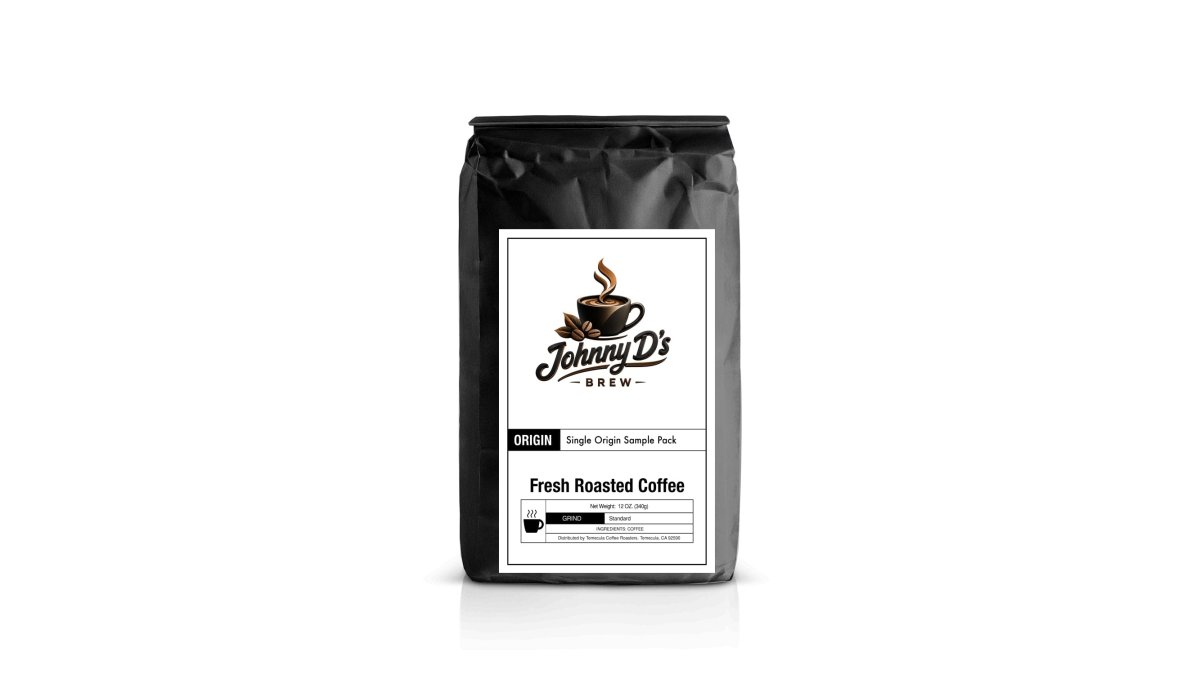
A common mistake is buying a full bag of an origin you've never tasted. Sample packs solve that for under $25 and teach you more about your palate than any tasting note.


Best Coffee Subscription Services and What to Look For
The best coffee subscription services share three traits: they roast after you order, let you set delivery frequency, and tell you the roast date. Skip any service that can't confirm all three, a subscription is only worth it if the coffee arrives fresher than your grocery shelf.
Roast-to-Order Freshness
Roast-to-order means the roaster waits for your order before roasting, rather than pulling from warehouse stock, the single most important quality signal in mail-order coffee. Ask one question before subscribing: what's the roast date on a bag that ships today? If they can't answer within a day or two, you're buying warehouse coffee with a fresh-sounding label.
Delivery Frequency and Shipping Logistics
Delivery frequency should match how fast you actually drink coffee, not a fixed monthly schedule. A household brewing two cups a day burns through a 12-ounce bag in roughly two weeks; ordering more often means stale final cups, ordering less means gaps.
Shipping logistics matter too. Free shipping removes the per-bag penalty that makes some subscriptions expensive at low volumes, and Johnny D's Brew ships free on all coffee and tea, so the price you see is the price you pay.
Single Origin vs. Blends: Which Premium Coffee Beans Fit Your Brew
Single origin coffees come from one farm, region, or cooperative and taste like that specific place. Blends combine beans from multiple origins to create a consistent flavor that doesn't shift with harvest. Neither is better. They solve different problems.
Choose single origin when you want to taste how processing and altitude change a cup. Choose a blend when you want the same result every morning without thinking about it.
Single Origin Picks: Brazil Santos, Colombia, Guatemala
Brazil Santos delivers an elegant, smooth cup with cocoa notes, grown by Fazenda Santa Barbara across Parana and Sao Paulo at 750 to 1,050 meters. It's the easiest entry point if you're moving up from grocery coffee.
Colombia brings dried orange, berry, and chocolate from smallholder farmers near Medellin, fully washed and dried in solar dryers. It's the most versatile of the three for pour-over.
12 Pack Single Serve Coffee Capsules →
Guatemala leans darker in profile with dark chocolate, bright fruit, and butterscotch from Antigua, fully washed and sun dried. The bright fruit note makes it a strong espresso candidate.
Blend Picks: House Blend, Breakfast Blend, Whiskey Barrel Aged
House Blend is a medium roast of Central and South American coffees with a medium body and notes of nutty, sweet chocolate, mild citrus, and a clean bright finish. Natural and washed processing keep the cup consistent bag to bag.
Breakfast Blend is the lighter, smoother option, a medium roast built from South American coffee for a clean morning cup.
Whiskey Barrel Aged is the outlier: a single origin Guatemalan coffee aged 30 days in a bourbon barrel, then roasted to order.
How to Store Coffee Beans for Maximum Freshness
Storing coffee beans for maximum freshness comes down to four enemies: oxygen, light, heat, and moisture. The mechanism is oxidation: coffee oils react with oxygen, and the aromatic compounds behind tasting notes break down into flatter, papery molecules. Light accelerates that reaction, heat speeds it up, and moisture both degrades oils and makes beans absorb nearby odors.
- Keep beans in an opaque, airtight container, not the bag's folded top
- Store at room temperature, away from the stove, oven, and sunny windows
- Skip the freezer for daily-use beans; condensation ruins them on thaw
- Buy in amounts you'll finish within two to three weeks
- Grind immediately before brewing, never in advance
Grind Size Calibration and Resting Periods for Home Brewing
Grind size decides how fast water moves through coffee, and that speed controls whether you get a balanced cup or a bitter, watery one. The mechanism is surface area: finer grinds expose more coffee to water and extract faster, coarser grinds extract slower. Too fine and you over-extract bitter compounds; too coarse and the cup turns out sour and thin.
- Espresso machine: fine grind, like table salt
- Drip machine: medium grind, like sand
- Pour-over: medium-fine, slightly finer than drip
- French press: coarse grind, like breadcrumbs
Sustainability, Packaging Waste, and Water Chemistry
Sustainability in coffee comes down to three measurable things: how the beans are processed, how they're packaged, and how far they travel.
Conclusion
The hardest part of buying premium coffee beans delivered to home isn't finding a roaster. It's finding one that roasts after you order, tells you the roast date, and ships without padding the price. Most of the quality difference you taste comes down to freshness, grind, and water, and only one of those is the roaster's job.
Frequently Asked Questions
What are the best premium coffee beans for home brewing?
It depends on your brewing method and taste. Medium roasts like Brazil Santos and Colombia work well for drip and pour-over because they balance acidity and body. For espresso, a darker blend such as 6Bean or Whiskey Barrel Aged gives more crema and depth. Single origins highlight specific tasting notes, while blends deliver consistency. Ordering from a roaster that ships roast-to-order means your premium coffee beans arrive at peak flavor, not weeks after roasting.
How long do premium coffee beans stay fresh after roasting?
Ground coffee stales within days because more surface area is exposed to oxygen. Buying smaller quantities more often, or choosing a subscription with a set delivery frequency, keeps your supply fresh rather than sitting in a cupboard for months.
How does a coffee subscription service work for home delivery?
You choose your coffee, set a delivery frequency, and the roaster ships on a schedule. The key difference between services is when the coffee is roasted. Some roast in large batches and warehouse the bags; others roast only after your order is placed. Ask whether the roaster ships within 24 to 48 hours of roasting. Free shipping and flexible frequency matter for anyone ordering premium coffee beans delivered to home on a regular basis.
Is it cheaper to buy coffee beans in bulk or via subscription?
Bulk buying lowers the per-bag price but risks staleness if you cannot finish the coffee within a few weeks. Subscriptions usually cost the same per bag but spread deliveries so each shipment arrives fresh. If you drink one 12-ounce bag per week, a weekly or biweekly subscription keeps quality high without waste. If you brew several pots a day, a larger pack like the 60-count capsules can reduce cost per cup.
What should I look for when buying premium coffee beans online?
Check the roast date, not just a best-by date. Look for whole bean options, origin details (region, altitude, process), and whether the roaster ships quickly after roasting. Tasting notes help match beans to your preferences: chocolate and nutty notes suit milk drinks, while fruity and floral notes shine in black coffee. Sample packs let you try several origins before committing to a full bag.