

Verve Coffee Alternatives for Home Brewers in 2026
Table of Contents
- Why Home Brewers Look Beyond Verve
- What to Look for in Coffee Alternatives
- Best Coffee Subscription Services for Home Brewers
- Benefits of Roast-to-Order Coffee Delivery
- Top Verve Coffee Alternatives for Every Brew Method
- Brewing Tips to Get the Most from Your Beans
- Making the Switch: What to Expect
- Frequently Asked Questions
Last Updated: September 19, 2026
Why Home Brewers Look Beyond Verve
So why do so many home brewers hunt for coffee alternatives within a year of subscribing?
The answer usually comes down to three things: cost per bag, shipping speed, and whether the beans actually arrive close to their roast date. A bag that sat on a shelf for two weeks before it hit your doorstep has already lost the aromatics you paid for.
What to Look for in Coffee Alternatives
Choosing a Verve alternative is less about brand name and more about whether the roaster gives you the information you need to brew well. A roast date, printed on the bag, is the single most useful number a roaster can give you.
Roast Date and Freshness Signals
A roast date beats a "best by" date every time, a best-by window tells you nothing about when the beans were roasted, so treat it as a red flag. Look for beans roasted within 7 to 14 days for filter coffee, and 5 to 10 days for espresso. Espresso needs a short rest to degas, but too much rest flattens the crema.
Origin Transparency and Processing Methods
Processing tells you more about flavor than almost anything else on the label.
- Washed: Clean, bright, higher acidity. Common in Kenyan and Guatemalan coffees.
- Natural (dry processed): Fruitier, heavier body, sometimes wine-like.
- Wet-hulled: Earthy, syrupy, low acidity. The signature of Sumatran beans.
- Pulped natural: A middle ground, sweet and smooth with mild acidity.
Best Coffee Subscription Services for Home Brewers
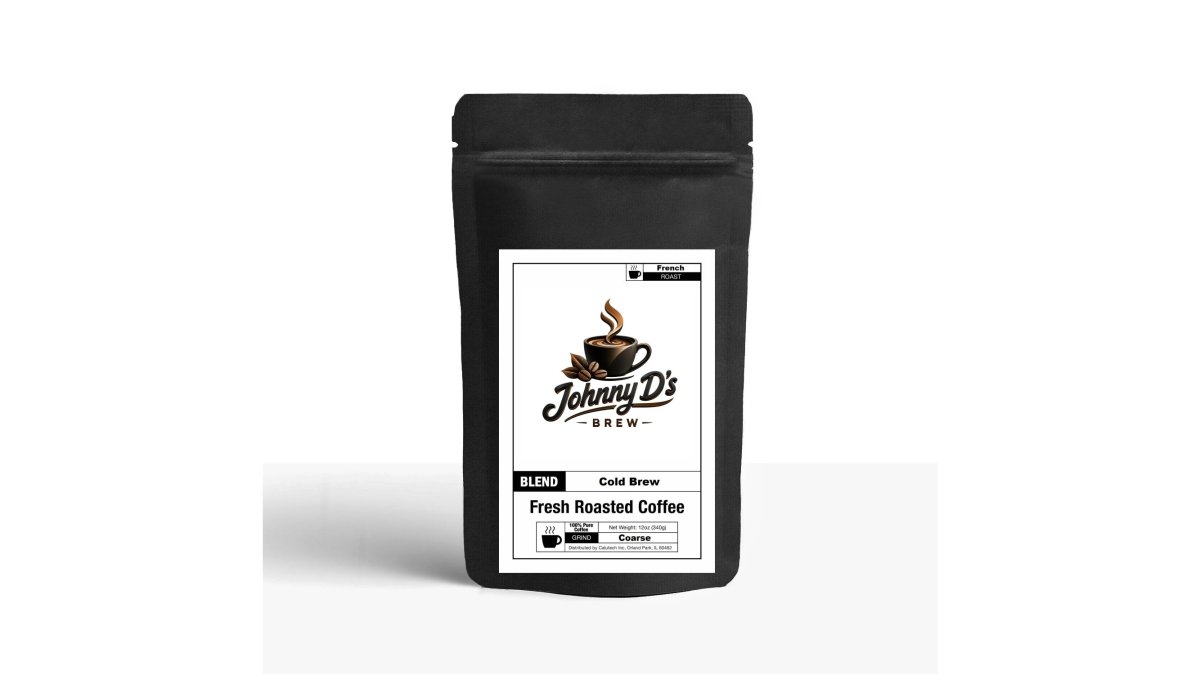
The best coffee subscription services for home brewers roast after you order and ship fast enough to preserve the peak flavor window. Johnny D's Brew roasts to order, sources beans from trusted farms worldwide, and ships free on all coffee and tea. Here's how the options stack up.
| Option | Roast Timing | Shipping | Best For |
|---|---|---|---|
| Johnny D's Brew | Roasted to order | Free US shipping | Freshness and single-origin variety |
| Grocery store beans | Roasted weeks or months prior | N/A | Emergency backup only |
| Local roaster pickup | Usually within days | Pickup or local delivery | Brewers who live near a roastery |
| Large national subscriptions | Varies by roaster | Often paid | Convenience, not peak freshness |
Benefits of Roast-to-Order Coffee Delivery
The benefits of roast-to-order coffee delivery start with flavor and end with consistency. When a roaster waits for your order, beans spend days, not weeks, in transit. Three wins stand out:
- Peak flavor window. Beans arrive when aromatics are strongest.
- Predictable supply. You know when the next bag lands.
- Less waste. Ordering to a schedule beats bags that go stale before you finish them.
Top Verve Coffee Alternatives for Every Brew Method
The right alternative depends on how you brew, but the deeper issue is flavor profile mapping: matching a roast profile and processing method to a device. A bean that shines in a pourover can taste thin as espresso, and a dark roast built for cold brew can overwhelm a delicate filter setup. This section maps roast profiles to devices, then covers water chemistry.
Flavor Profile Mapping: Roast to Device
Start with what you want in the cup, then work backward to the roast and device.
- Bright, tea-like, high clarity: Light roast, washed process. Best in a flat-bottom dripper or pourover with a thin paper filter, which traps oils and lets acidity read clean. Use soft to medium-hardness water so fruit notes aren't muted.
- Balanced, sweet, medium body: Medium roast, pulped natural or honey process. Best in a cone dripper, French press, or moka pot. The cone dripper's paper filter keeps it clean; the French press mesh lets more oils through for a rounder cup.
- Chocolatey, syrupy, low acidity: Dark roast, wet-hulled or natural process. Best in a French press, cold brew, or espresso. The coarse grind and long contact time pull the heavy body forward; espresso's pressure amplifies sweetness.
- Fruit-forward, wine-like, heavy body: Natural process, light to medium roast. Best in a pourover or siphon. The natural process leaves fruit sugars on the bean, and a slower pourover drawdown gives them time to dissolve.
Single-Origin Picks for Pourover and Filter Coffee
Filter methods reward clarity and acidity, so single-origin beans with clean processing tend to win.
Blends Built for Espresso and Cold Brew
Espresso and cold brew want body and sweetness, which is where blends earn their keep.
Water Chemistry: The Variable Most Guides Skip
- Hardness comes mostly from calcium and magnesium. Magnesium pulls fruit and brightness forward; calcium adds body but can mute acidity if too high. Very soft water tastes flat and hollow.
- Alkalinity is water's ability to buffer acid. High alkalinity neutralizes bright acids, so a citrusy light roast tastes dull and chalky. Low alkalinity lets acidity read sharp and clean.
Brewing Tips to Get the Most from Your Beans
Fresh beans still need good technique. The variables that move flavor most are grind size, brew ratio, water temperature, and extraction time.

Brew Ratio and Measurements
For a coffee-to-water ratio, start at 1:16 by weight for filter coffee, 1 gram of coffee to 16 grams of water. Adjust toward 1:15 for stronger or 1:17 for lighter. For brew ratio on espresso, aim for 1:2 coffee to yield, so an 18-gram dose produces about 36 grams. For cold brew, use a 1:8 concentrate ratio and dilute 1:1 before serving.
Grind Size Optimization
Grind size should match your method:
- Pourover and flat-bottom dripper: medium, like table salt.
- Espresso: fine, like powdered sugar.
- Cold brew and French press: coarse, like raw sugar.
- Moka pot: fine, slightly coarser than espresso.
If your coffee tastes sour and weak, grind finer before you add more beans. If it tastes bitter and dry, grind coarser. Change one variable at a time so you know what worked.
Temperature Control
Water temperature controls how fast compounds dissolve. Too hot extracts bitter, harsh compounds; too cool leaves sweetness and acidity behind.
- Light roasts: 200 to 205 degrees Fahrenheit. Denser beans need more heat to extract fully.
- Medium roasts: 195 to 205 degrees Fahrenheit.
- Dark roasts: 185 to 195 degrees Fahrenheit. Porous dark beans extract faster, so cooler water prevents bitterness.
Extraction Time and Troubleshooting
Extraction time is your diagnostic tool. A pourover that runs too fast tastes sour and thin; too slow tastes bitter and dry. Target times by method:
- Pourover (single cup): 2:30 to 3:00 total, including a 30 to 45 second bloom.
- French press: 4:00 steep, then press and pour immediately.
- Espresso: 25 to 30 seconds for a 1:2 ratio.
- Cold brew: 12 to 18 hours at room temperature, or 18 to 24 hours refrigerated.
Cold Brew vs. Flash Brew
These two cold coffee methods are not the same, and the difference changes the cup.
Making the Switch: What to Expect
Switching roasters changes more than the label. Expect the first bag to taste different, because roast profile and processing vary between roasters even for the same origin.
A few things to plan for:
- Rest your beans. Give espresso 5 to 10 days after the roast date before pulling shots.
- Re-dial your grind. A new bean often needs a small grind adjustment.
- Track your brews. Note ratio, grind, and time so you can repeat what works.
Frequently Asked Questions
What is the best coffee for home brewing?
The best coffee for home brewing depends on your brew method and taste preferences. For pourover, look for single-origin beans with a medium roast and clear tasting notes. For espresso, a medium-dark blend provides consistency. For cold brew, a coarse-ground dark roast works best. Freshness matters more than origin: beans roasted within 7-14 days of brewing deliver the most flavor. Johnny D's Brew roasts to order, so your beans arrive at peak freshness.
What should I look for when choosing a coffee subscription service?
Focus on four things: roast-to-order timing, shipping speed, origin variety, and cancellation flexibility. A service that roasts after you order ships fresher beans than one pulling from warehouse stock. Check whether shipping is free and how often you can pause or swap. Johnny D's Brew offers free US shipping on all coffee and tea, roasts each order fresh, and lets you explore single origins like Brazil Santos and Guatemala without locking into a long contract.
How does roast-to-order coffee improve the home brewing experience?
Roast-to-order coffee skips the warehouse sitting time that stale beans endure. When beans are roasted after you order, they arrive within days of roasting, not weeks. That freshness preserves the oils and aromatics responsible for tasting notes like dark chocolate, citrus, or caramel. For home brewers, the difference shows up in the cup: brighter acidity, fuller body, and a bloom phase that actually expands. Johnny D's Brew roasts every bag to order for this reason.
Are there coffee alternatives that offer similar roast profiles to Verve?
Yes. Johnny D's Brew offers a range of roast profiles, including the Guatemala single origin with dark chocolate, bright fruit, and butterscotch notes, and the Peru single origin with salted caramel and citrus. Both are medium roasts. The key difference is roast-to-order delivery, which means your beans arrive fresher than most subscription services.
How fresh is the tea selection compared to the coffee?
Johnny D's Brew applies the same sourcing care to tea as to coffee. The brand offers premium tea varieties, sourced with the same attention to quality and freshness. While coffee is roasted to order, tea is selected for nuanced flavor and premium quality. If you drink both, you can order coffee and tea together and take advantage of free US shipping on all orders, simplifying your routine without compromising on either beverage.