

What Are Single Origin Coffee Beans: A 2026 Guide
Table of Contents
- What Are Single Origin Coffee Beans
- Single Origin vs Blend: Key Differences
- Coffee Processing Methods and Their Impact
- How Terroir, Altitude, and Geography Shape Flavor
- Understanding Roast Level and Single Origin Expression
- How to Store Coffee Beans Properly for Maximum Freshness
- Why Single Origin Matters: Traceability and Farmer Impact
- Frequently Asked Questions
Last Updated: October 2, 2026
What Are Single Origin Coffee Beans
Single origin coffee beans are beans sourced from a specific geographic location, a single country, region, or even an individual farm or estate. Unlike blended coffees that combine beans from multiple origins, single origin coffees preserve the distinct characteristics imparted by that location's climate, altitude, soil composition, and processing methods.

The term "single origin" refers to traceability, a documented supply chain connecting you directly to where your coffee comes from and who grew it.
What makes single origin special is the flavor profile. Coffee grown at different altitudes, in different soil types, and processed using different methods develops unique tasting notes, an Ethiopian natural-processed coffee tastes completely different from a Colombian washed coffee. At Johnny D's Brew, we carefully source beans from trusted farms worldwide, ensuring each single origin expresses its terroir fully.
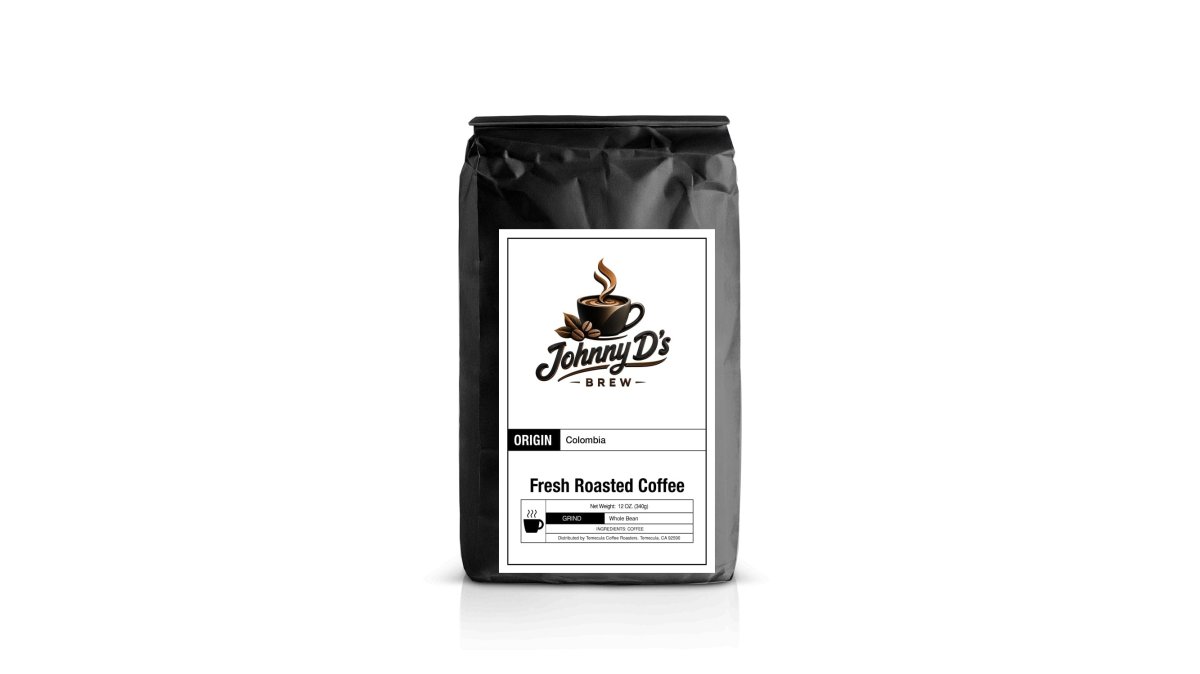
The specialty coffee industry has built itself on single origin coffees. When you're paying a premium price, you're paying for that specificity, the story of where the beans came from and what makes them different from commodity coffee.
Single Origin vs Blend: Key Differences
Single origin delivers one story, the flavor profile of a specific place. A blend combines multiple origins to create a balanced, consistent cup.

Single origin coffees vary harvest to harvest depending on weather and processing adjustments. Blends are engineered for consistency, roasters combine origins to smooth out variations and create a predictable flavor.
| Aspect | Single Origin | Blend |
|---|---|---|
| Flavor Profile | Distinct, location-specific notes | Balanced, engineered complexity |
| Traceability | Full supply chain documented | Multiple origins combined |
| Consistency | Varies by harvest | Standardized across batches |
| Price Point | Premium, reflects origin quality | Moderate to premium |
| Best For | Exploring regional characteristics | Daily drinking, reliability |
Single origin coffees highlight terroir, the complete environmental influence on the beans. If you want to taste regional differences, single origin is your answer; if you want consistency, a blend is more practical.
The brewing method decision: Single origins demand brewing methods that highlight their delicate characteristics. A light-roasted Ethiopian natural reveals fruity and floral notes best through pour-over methods like V60 or Chemex, where precise water temperature and contact time extract subtle aromatics. The same bean in a French press will taste muddy and heavy, masking the origin's character.
Blends are formulated to perform well across multiple brewing methods, drip machine, French press, or espresso, because roasters blend origins to create forgiving, consistent coffee.
Single origins enable comparison and discovery. Buying three different origins lets you directly experience how geography, altitude, and processing shape flavor, impossible with blends, where individual origins are hidden.
Coffee enthusiasts prefer single origins for exploration and invest in brewing equipment to optimize extraction. Those needing consistent daily energy traditionally choose blends, though quality single origins can deliver reliability too.
Coffee Processing Methods and Their Impact
The way coffee cherries are processed after harvest dramatically shapes the final flavor. Three main processing methods dominate specialty coffee: washed, natural, and honey process. Each creates a fundamentally different cup.
Washed process removes the fruit immediately after harvest, then ferments and dries the bean. This produces cleaner, brighter acidity and lets origin characteristics shine through. Colombian and Kenyan coffees are typically washed because the process is precise and controllable.
Natural process dries the entire cherry with the bean inside, fermenting for weeks and imparting fruity, wine-like notes and heavier body. Ethiopian and Brazilian naturals use this method. It's less controllable than washed, but produces more complex, fruit-forward flavors.
Honey process (or pulped natural) splits the difference. The fruit is partially removed, then the bean dries with some fruit still attached. This creates sweetness and body between washed and natural. Costa Rican and Honduran coffees often use this method.
Processing method is one of the primary factors determining what you taste. Two beans from the same farm processed differently will taste completely different, explaining why single origin coffee from the same region varies between farms.
How Terroir, Altitude, and Geography Shape Flavor
Terroir is the complete environmental package, altitude, soil type, climate, rainfall, and seasonal patterns, that determines what the coffee will taste like.
Altitude is the most obvious factor. Coffee grown at higher elevations develops more complexity and acidity because beans mature more slowly in cooler temperatures. Higher altitude means more nuanced, brighter flavors; lower altitude produces heavier body and lower acidity.
Soil composition matters too. Volcanic loam produces balanced, clean cups; Nitisol soils in Ethiopia contribute fruity characteristics. Soil minerals become part of the bean's chemistry.
Geography determines climate patterns. African coffees tend toward fruity, floral notes; Central American coffees show chocolate and nutty characteristics; South American coffees tend toward balanced, smooth profiles with chocolate and caramel notes.
This is why single origin matters. When you buy Ethiopian Natural from Johnny D's Brew, you're getting beans grown in the Sidama Zone at 1,700-1,900 meters in Nitisol soil, processed naturally. That specificity creates a predictable flavor experience tied directly to that place.
Understanding Roast Level and Single Origin Expression
Roast level profoundly affects how a single origin's terroir expresses itself. A light roast preserves origin characteristics; a dark roast masks them under roasted flavors.
Light and medium-light roasts highlight the coffee's origin, acidity, fruity notes, floral qualities. Specialty roasters use lighter roasts for single origins to let the bean's story come through.
Medium roasts balance origin expression with roasted body, offering a sweet spot between brightness and body.
Medium-dark and dark roasts prioritize roasted flavors over origin. The roast level overwhelms origin characteristics, which is why dark roasts are often used for blends.
The implication: if you're buying single origin coffee, pay attention to the roast level. A medium or medium-light roast will let you actually taste what makes that origin special. Johnny D's Brew roasts to order, which means your single origin arrives at peak freshness with the roast level optimized to express that coffee's terroir.
How to Store Coffee Beans Properly for Maximum Freshness
Coffee freshness degrades from the moment beans are roasted. Proper storage slows degradation, but understanding what you're preserving changes how you should buy and store single origin coffee.
Store beans in an airtight container away from direct sunlight, in a cool, dry place. A sealed bag with a one-way valve works well for short-term storage; transfer to airtight glass or opaque containers for longer storage. Avoid clear glass, which accelerates oxidation.
Room temperature (around 70°F) is ideal. Avoid the refrigerator or freezer, temperature fluctuations and moisture damage beans and promote mold. A pantry or cabinet works perfectly.
Understanding volatile aromatics and the real shelf-life window: What most storage guides miss is that coffee's most delicate and desirable flavors, the fruity, floral, and nuanced notes that make single origin coffee worth buying, are volatile aromatic compounds that begin degrading immediately after roasting. These compounds are what you're actually paying a premium for.
Light roasts contain the highest concentration of volatile aromatics and are most vulnerable to oxidation.
Medium roasts have a slightly longer window because some aromatics have already been driven off during roasting.
Medium-dark and dark roasts are more stable because roasting converts volatile aromatics into stable roasted flavor compounds.
The lighter the roast, the more urgently you need to use the beans.
Whole beans vs. ground coffee: Whole beans stay fresh significantly longer than ground coffee because grinding increases surface area exposed to oxygen. Ground coffee degrades within hours; whole beans maintain quality for 2-4 weeks if stored properly.
Grind immediately before brewing to preserve aroma and flavor.
The roast date matters more than the expiration date: [Coffee goes stale, not bad.
Why Single Origin Matters: Traceability and Farmer Impact
Single origin coffee creates direct connection between you and the people who grew your beans, supporting specific communities.
Frequently Asked Questions
Are single origin coffees better than blends?
Single origin and blends serve different purposes. Single origin coffees highlight the unique flavor profile and terroir of a specific geographic region, offering traceability and distinct tasting notes. Blends combine beans from multiple origins to achieve consistency and balance. For coffee enthusiasts who prioritize flavor complexity and origin expression, single origin is often preferred. For those seeking a reliable, balanced cup every day, blends may be more suitable. Johnny D's Brew offers both to match your brewing preference.
What defines a coffee as single origin?
A single origin coffee comes from one country, region, or estate. Unlike blends that mix beans from multiple sources, single origin coffees preserve the distinct characteristics of their specific growing location. This includes the altitude, soil type, climate, and processing method unique to that area. The geographic traceability means you're tasting the terroir, the environmental factors that shape the bean's flavor. Johnny D's Brew sources single origin coffees from smallholder farms and estates worldwide, clearly labeling the region, altitude, and processing method on every bag.
How does terroir affect the flavor of single origin beans?
Terroir encompasses altitude, soil composition, climate, and rainfall, all factors that directly influence how coffee plants grow and the beans develop. Higher altitude coffees, like those from Ethiopia's Sidama zone at 1700-1900 meters, typically produce beans with greater acidity and complexity. Volcanic loam soil, common in Colombian and Guatemalan regions, contributes distinct mineral and chocolate notes. Processing method also interacts with terroir: a natural process Ethiopian coffee expresses fruity, floral notes differently than a washed process Colombian. Understanding terroir helps you predict and appreciate the tasting notes in your cup.
How should I choose between different single origin coffees?
Start by considering your preferred flavor profile. If you enjoy fruity, floral notes, try Ethiopian naturals or Tanzanian coffees. For chocolate and caramel sweetness, Colombian or Brazilian beans work well. Check the altitude, higher elevations generally produce more complex acidity. Consider the processing method: washed coffees are cleaner and brighter, while natural and honey processes bring out fruit and body. Johnny D's Single Origin Favorites Sample Pack ($24.99) includes six 2oz samples, letting you explore different origins before committing to a full bag.