

Atlas Coffee Club vs Blue Bottle: Which Subscription Fits You
Table of Contents
- How These Coffee Subscriptions Work
- Blue Bottle Coffee Subscription: Sourcing, Roast Levels, and Flavor Profiles
- Atlas Coffee Club: Single-Origin Selection and Roast Dates
- Coffee Subscription Cost Comparison and Delivery Speed
- Espresso-Ready Options: Which Subscription Works Best for Espresso
- Customization, Flexibility, and How to Cancel Atlas Coffee Club
- Which Service Matches Your Brewing Setup and Lifestyle
- Frequently Asked Questions
Last Updated: October 11, 2026
How These Coffee Subscriptions Work
Both Atlas Coffee Club and Blue Bottle deliver freshly roasted coffee via subscription, but differ in sourcing and customization. Atlas Coffee Club emphasizes single-origin selections with transparent roast dates; Blue Bottle focuses on curated blends and seasonal offerings.
Both services offer monthly, bi-weekly, or custom shipment schedules with whole-bean and ground options. Atlas Coffee Club vs Blue Bottle comes down to whether you want to choose your beans or trust their curation.
Delivery typically takes 3-5 business days after roasting. Both services ship within the continental United States with standard shipping included in most plans. The subscription model means you're locked into a recurring charge unless you actively pause or cancel, so understanding cancellation policies matters before signing up.
Blue Bottle Coffee Subscription: Sourcing, Roast Levels, and Flavor Profiles
Blue Bottle sources directly from farms across Ethiopia, Kenya, Colombia, and other regions, with their sourcing team visiting farms regularly. The subscription includes rotating seasonal offerings that change based on harvest cycles.
Blue Bottle emphasizes lighter roasts that highlight origin characteristics with fruity, floral, and acidic notes. Each offering includes detailed tasting notes.
The Blue Bottle subscription typically includes 10-12 ounces per bag with one or two bags monthly. If you enjoy seasonal variety without making selections, Blue Bottle's curation removes decision fatigue, though you have limited control over specific origins.
Atlas Coffee Club: Single-Origin Selection and Roast Dates
Atlas Coffee Club differentiates itself through transparency and customer choice, with roast dates prominently displayed. Coffee loses optimal flavor within 2-3 weeks of roasting, making freshness a key differentiator in atlas coffee club vs blue bottle.
The Atlas Coffee Club subscription lets you select your own single-origin beans each month, Ethiopian naturals, Kenyan washes, Brazilian naturals, or whatever appeals to you. This appeals to coffee enthusiasts who want agency in their subscription.
Atlas Coffee Club emphasizes roast-to-order production with beans shipping within days of roasting. The subscription includes detailed information about each origin's altitude, processing method, and flavor notes. You can order your favorite origin repeatedly for consistency.
Bag sizes typically run 12 ounces, with options for monthly or every-other-month delivery. The customization extends to grind size if you want ground coffee, though whole beans preserve freshness longer.
Coffee Subscription Cost Comparison and Delivery Speed
Cost per ounce and roast-to-delivery timelines are the most concrete ways to compare these services.
Pricing Breakdown by Subscription Tier
Atlas Coffee Club's standard subscription costs $68-$78 per month for a 12-ounce bag, roughly $0.47-$0.52 per ounce. There are no long-term contracts; you can adjust or cancel anytime.
Blue Bottle's standard subscription runs $70-$85 per month for a 10-ounce bag, roughly $0.70-$0.85 per ounce, notably higher than Atlas. Some tiers offer discounts for 3, 6, or 12-month commitments, though these reduce flexibility.
Roast-to-Delivery Timeline and Freshness Impact
Atlas Coffee Club roasts to order within 24 hours and ships within 2-3 business days, so beans arrive 4-6 days after roasting. Coffee peaks between 5-30 days post-roast; arriving at day 4-6 maximizes freshness.
Blue Bottle roasts in batches 5-10 days before shipment, then takes 3-5 business days to arrive, meaning beans are 10-15 days old on arrival. Still within the optimal window, but noticeably less fresh than Atlas's roast-to-order approach, especially for delicate light roasts.
Cost Per Ounce vs. Freshness Trade-Off
Atlas Coffee Club's lower per-ounce cost ($0.47-$0.52) and faster roast-to-delivery (4-6 days) make it better value if freshness and cost matter.
Blue Bottle's higher per-ounce cost ($0.70-$0.85) reflects curation and seasonal discovery. If you value premium sourcing and rotating offerings, the cost is intentional. If you optimize for freshness and cost, Atlas wins.
Shipping Speed Comparison
Atlas processes shipments within 2-3 business days of roasting; Blue Bottle takes 3-5 business days from their warehouse. Atlas arrives faster due to roast-to-order production.
Espresso-Ready Options: Which Subscription Works Best for Espresso
For espresso, bean selection matters more than drip or pour-over. Espresso demands consistency and beans that handle high pressure without burning.
Atlas Coffee Club offers espresso-specific grind options and lets you order the same bean repeatedly. This consistency is valuable for dialing in your machine.
Blue Bottle's seasonal rotation means constantly adapting to new beans. Lighter roasts require more precision on espresso machines. Blue Bottle suits those who enjoy experimentation; Atlas suits those wanting consistency.
For espresso enthusiasts, the Atlas Coffee Club vs Blue Bottle decision leans toward Atlas if consistency and control matter to you. You'll know what's arriving and can order it again when you find a winner.
Customization, Flexibility, and How to Cancel Atlas Coffee Club
Subscription flexibility determines whether a service fits your lifestyle. The ability to pause, skip, adjust frequency, and cancel without friction separates respectful services from those designed to trap you.
Customization Options: Selection vs. Curation
Atlas Coffee Club lets you select from current inventory before each shipment: origin, processing method, roast level, and grind size. You can order the same bean repeatedly or experiment monthly. This appeals to enthusiasts who want agency.
Blue Bottle's approach is curated selection. You don't choose your beans; their sourcing team does. You can specify whole bean or ground and grind size, but not origin or roast level. This removes decision fatigue but eliminates control.
Pausing and Skipping Shipments
Atlas Coffee Club lets you pause directly through your account dashboard for one month or longer with no penalties. This is valuable if you travel or accumulate extra coffee.
You can also skip individual months without pausing. Your subscription remains active; you're simply delaying one cycle.
Blue Bottle's pause and skip options depend on your subscription tier. Standard subscriptions typically allow pauses, but you may need to contact their customer service team via email or phone to request one. This adds friction compared to Atlas's self-service model. Some Blue Bottle tiers do not offer skip options; you must pause and resume instead. The exact mechanics vary by plan, so you need to review your specific tier's terms.
Adjusting Delivery Frequency
Atlas Coffee Club lets you change your delivery frequency anytime. You can switch from monthly to bi-weekly, or from bi-weekly to monthly, directly in your account settings. If you realize you're accumulating too much coffee, you can reduce frequency without canceling. If you're running low, you can increase frequency temporarily. These changes take effect on your next scheduled shipment.
Blue Bottle's frequency adjustments typically require contacting customer service. You cannot self-service a frequency change through your account dashboard. This is a notable friction point if you need to adjust quickly or prefer not to email support.
Cancellation: Process and Penalties
Atlas Coffee Club's cancellation process is intentionally frictionless. Log into your account, navigate to subscription settings, and click "Cancel Subscription." You confirm the cancellation, and it's done. No final shipment is forced; no prorated charges appear; no customer service representative tries to convince you to stay. Your subscription ends immediately, and you're not charged again. This transparency appeals to customers who've had bad experiences with subscription services that make cancellation deliberately difficult.
Blue Bottle's cancellation requires contacting their customer service team. You email or call to request cancellation, and they process it. There are no automatic penalties or extended final shipments, but the process is not self-service. If you're canceling because you're frustrated or in a hurry, the extra step of reaching out to support can feel like a barrier. Some subscription tiers may have different cancellation policies, so reviewing your specific plan's terms is important.
Practical Implications for Different Lifestyles
If you work demanding schedules (12-hour shifts, travel for work, unpredictable hours), Atlas Coffee Club's self-service flexibility is a significant advantage. You can pause without explanation, skip months when you have extra coffee, and adjust frequency without waiting for a response from customer service. This respects your time and prevents wasted shipments.
If you have a stable routine and enjoy the simplicity of a curated subscription, Blue Bottle's approach works fine. You're not pausing or skipping frequently, so the lack of self-service options is less relevant. The trade-off is less control over what arrives.
If you're new to specialty coffee and uncertain about your preferences, Atlas Coffee Club's ability to experiment with different origins each month is valuable. You can try an Ethiopian one month, a Kenyan the next, and a Colombian after that, building your palate without being locked into a single roaster's curation. Blue Bottle's curation can also work for beginners, but you have less agency in that learning process.
Which Service Matches Your Brewing Setup and Lifestyle
Your brewing method and lifestyle determine which subscription makes sense. If you use a pour-over, AeroPress, or Moka pot and enjoy experimenting with different origins, Atlas Coffee Club's selection model suits you.
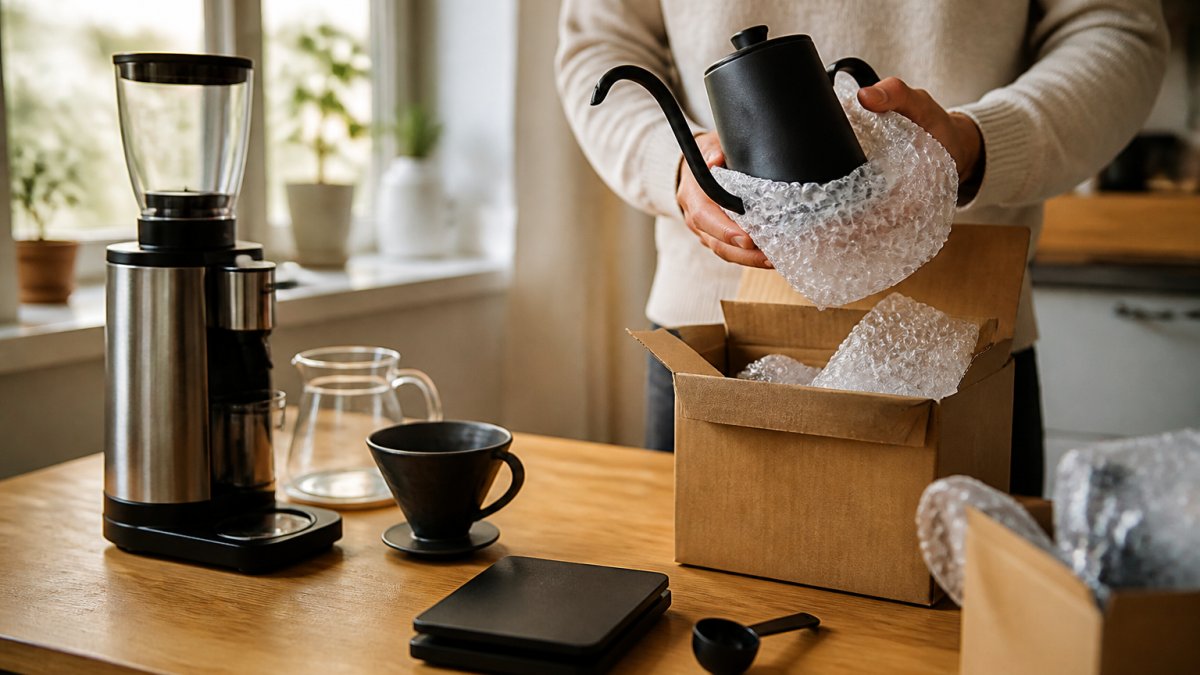
If you own an espresso machine and want consistency, Atlas Coffee Club again wins because you can order the same bean repeatedly and dial it in perfectly.
For drip coffee drinkers who value simplicity, Blue Bottle's curated approach removes decision fatigue. You receive quality beans without overthinking selection. This works well if you're busy and prefer someone else choosing for you.
The lifestyle question matters too. If you work demanding shifts and need reliable, high-quality coffee you can depend on, Atlas Coffee Club's transparency around roast dates and consistent availability of specific origins is valuable.
Consider storage space as well. Both services ship whole beans that stay fresh longest in airtight containers away from heat and light.
Choosing between Atlas Coffee Club and Blue Bottle depends on whether you prioritize control or curation.
Frequently Asked Questions
What is the difference between Atlas Coffee Club and Blue Bottle?
Atlas Coffee Club emphasizes single-origin beans with visible roast dates and direct sourcing transparency, allowing subscribers to see exactly when their coffee was roasted. Blue Bottle focuses on curated monthly selections with consistent flavor profiles across their signature blends and single-origins. Atlas offers more granular customization of origins and roast levels, while Blue Bottle provides a more guided, discovery-focused coffee subscription experience. Both deliver whole-bean and ground coffee options, but Atlas prioritizes freshness tracking while Blue Bottle emphasizes tasting notes and brewing method pairing.
Which coffee subscription is better for espresso?
For espresso brewing, both services offer espresso-suitable beans, but Atlas Coffee Club provides explicit roast level information that helps espresso users select medium to dark roasts optimized for espresso extraction. Blue Bottle's monthly selections sometimes feature lighter, filter-focused roasts that may not pull as well in espresso machines. If you brew espresso regularly, Atlas's customization and roast transparency give you better control over crema and body. Blue Bottle works for espresso, but you'll have less predictability month to month unless you contact them about your brewing method.
How can I cancel my Atlas Coffee Club subscription?
Atlas Coffee Club allows cancellation directly through your online account dashboard or by contacting their customer service team via email or phone. Most subscription services offer pause options before full cancellation, letting you skip deliveries without losing your account. Check your subscription settings for a 'manage subscription' or 'pause delivery' option first. If you're unsatisfied with a specific roast, many services offer replacement or credit options rather than requiring immediate cancellation. Review their cancellation policy on their website for current procedures and any final-order deadlines.
Is Blue Bottle coffee worth the premium price?
Blue Bottle's pricing reflects their focus on single-origin sourcing, direct relationships with farms, and consistent quality control across roasts. Their subscription cost depends on bag size, delivery frequency, and current promotions. Whether the premium justifies the cost depends on your taste preferences and brewing setup. If you prioritize convenience, curated selections, and don't want to manage roast dates or customization, Blue Bottle's all-in approach works well. If you're price-sensitive or want maximum freshness tracking and origin control, comparing their per-ounce cost against alternatives like Atlas will help you decide if the premium aligns with your priorities.